How much it hurts
Start with the chart, but treat the score as a comparison, not a promise. Outer thigh scores 2/10 on our scale; Achilles scores 9/10. Your experience may be different.
A placement has to work for your design and your day-to-day life, not just your pain tolerance. Compare a few spots here, then talk through the exact design with your artist.
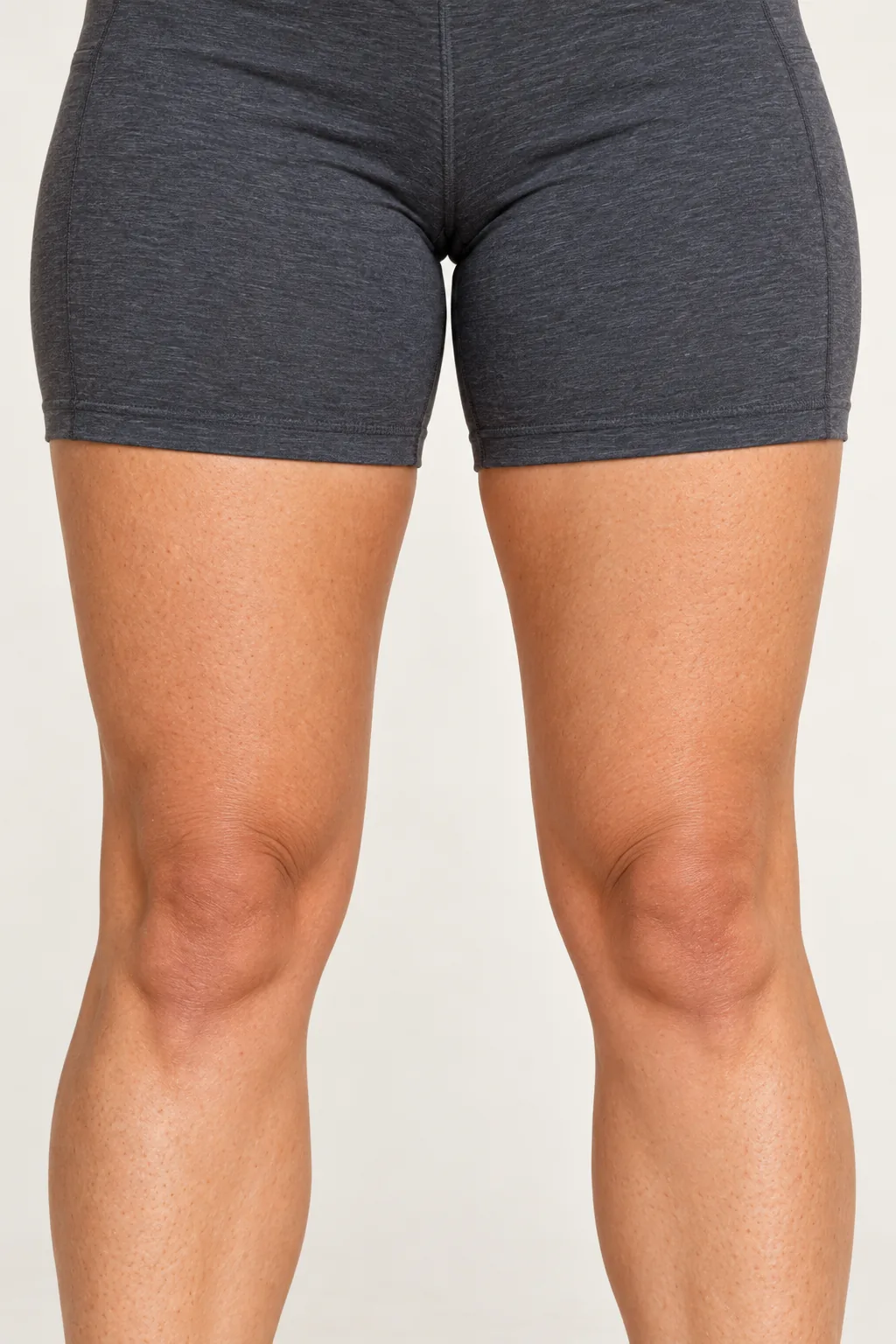
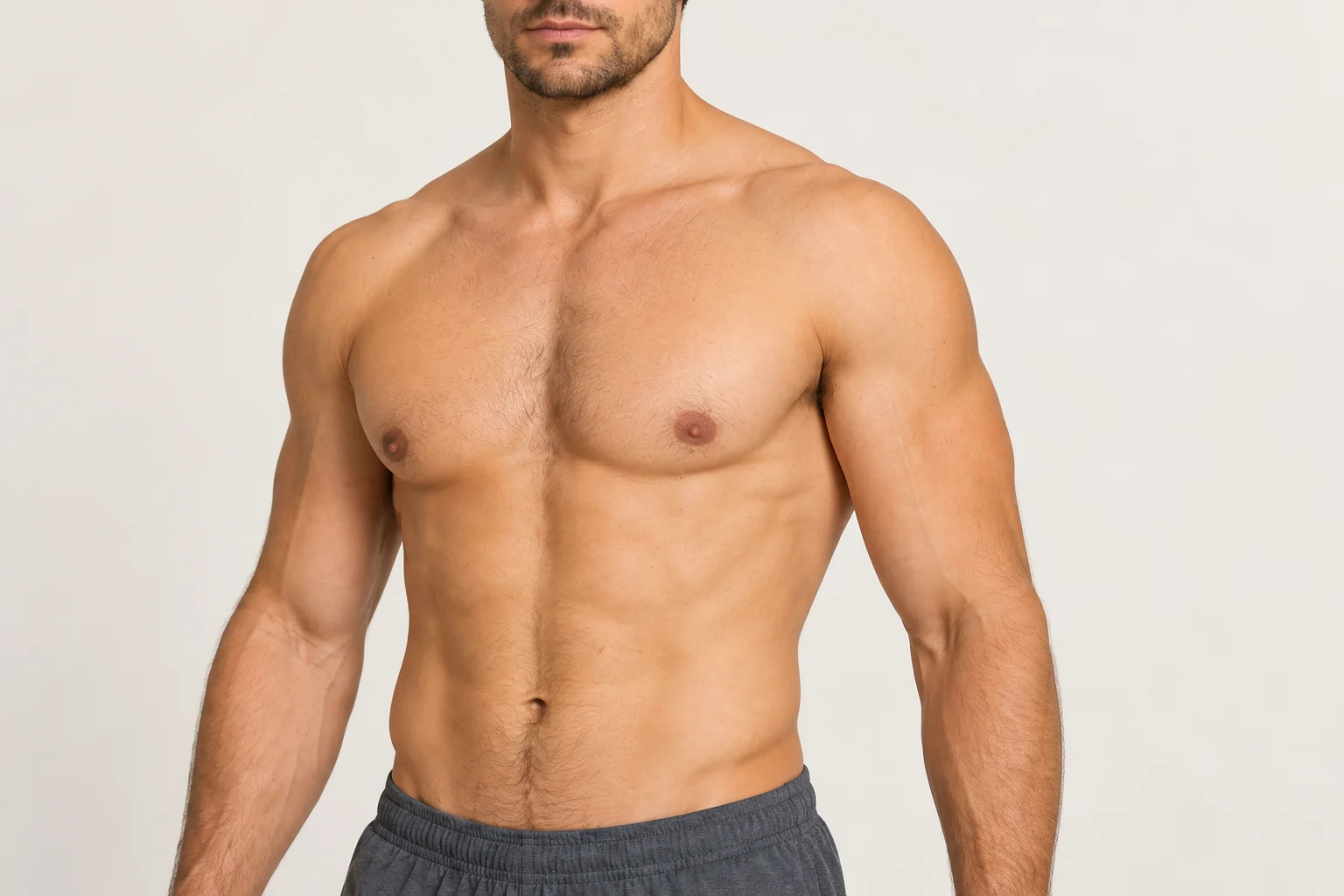
These photos help you see the body areas. The scores are editorial comparisons, not personal predictions.
Start with the chart, but treat the score as a comparison, not a promise. Outer thigh scores 2/10 on our scale; Achilles scores 9/10. Your experience may be different.
Picture the tattoo in the clothes you actually wear. Can you cover it when you want to? Hands, neck and face are harder to hide. Check any workplace rules that apply to you.
Sun, friction and the spacing between lines can change how a design looks over time. Ask your artist what this spot means for the design you want.
A design that looks right on paper may need to wrap around your body. Check the space available, then ask your artist to place a stencil before you decide.
Think about what will rub against the fresh tattoo: sleeves, waistbands, shoes or regular movement. Ask your artist how to care for that spot. Placement alone cannot tell you how long healing will take.
A pain score tells you about the body area, not the tattoo you're putting there. A small piece can still hurt on a sensitive spot. A larger or more detailed piece may mean more time in the chair, even in an easier spot. One study of tattoo recipients found that people reported more pain during longer sessions, but it did not record tattoo size. Dimensions alone cannot give you a reliable pain score.
Build a size and pain profile from your dimensions and chosen placement, then ask your artist how the design, technique and breaks may affect your appointment.
These score lower on our chart. Ask your artist which one suits the design you want.
These may be easier to cover. Try the placement against the clothes you actually wear.
These offer room for a design. Ask how sun, rubbing and line spacing might affect your particular piece.
These give you room for a design and score toward the easier end. Check the fit and visibility with your artist.
These sit at either end of our editorial scale. You can compare all 25 placements on the placement list.
Bring the design at the size you want. Your artist can help you see how it sits on your body, whether it wraps around a limb and which details need more space.
Use the scores to compare, not predict. Your design, session and own response can change how a tattoo feels. Ask your artist about the appointment and aftercare. For health concerns, speak with a medical professional. You can read how we make the chart.
FAQs
More on choosing a placement
There is no single best spot. The outer forearm, outer thigh and calf score lower on our chart and offer room for a design. Ask your artist which suits the artwork and how visible you want it to be.
Start with any dress rules that apply to you. Hands, neck, throat and face are often visible in everyday clothes. Try a stencil or paper outline under what you wear to work.
They can change as skin and body shape change. Ask your artist how the lines and shape might look when you move, and what spacing will help the design stay clear.
On our relative chart, the achilles, kneecap and ribcage share the highest score, while the outer thigh, outer forearm and shoulder blade sit at the lower end. Your own experience may be different. Compare all 25 areas on the chart.